
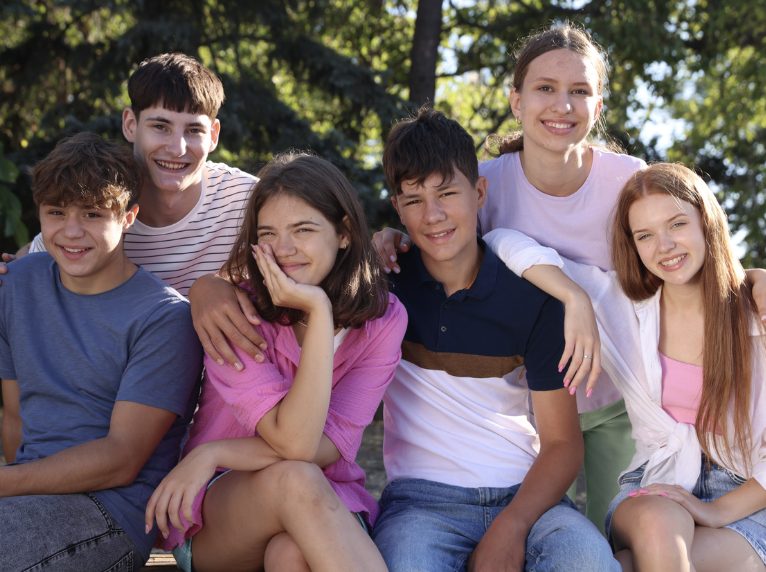
Our children’s friendships can bring enormous joy and plenty of worry. We want them to feel included, choose supportive friends and know what to do when relationships become difficult. Yet we can’t manage every interaction for them.
Our role is to help create the conditions in which healthy friendships can grow, while gradually giving our children the confidence and freedom to navigate relationships themselves.
Building skills, not controlling outcomes
Friendship skills begin long before children enter the playground or classroom. They include listening, sharing, recognising social cues, handling disagreements and repairing relationships when things go wrong.
Parents can help by creating opportunities for children to connect, talking openly about what healthy friendship looks like and coaching them through challenges without immediately taking over.
This involves emotional work for everyone. Children are learning to cope with rejection, uncertainty and conflict. Parents may need to manage their own anxiety, resist the urge to fix every problem and decide when support is needed—and when it is better to step back.
Parenting is a gradual release
Every day our children become more independent. This is exactly what development asks of them, but it requires us to let go a little too. And that is hard.
Knowing what to release, when to release it and which boundaries still need to be held is one of parenting’s most demanding skills. Information overload can make this harder. Parents now have access to endless advice, warnings and stories about children’s social and emotional struggles. More information doesn’t always create more confidence; sometimes it creates more anxiety.
Start from where you are
When difficulties arise, it is easy to revisit every past decision and wonder what we should have done differently. Ali McCormick’s positive psychology approach offers a more useful question: We’re here now, what do we have, what do we need and what is our next step?
This doesn’t mean dismissing what has happened. It means using our energy to move forward with the people, strengths and options available to us today.
In the second Path Wānaka Whānau Support Group session, Ali will help parents explore friendships, boundaries and gradual independence—with practical ways to support children without taking over.
By Ali McCormick
Join us to build your confidence as your child’s relationships and independence grow.
Whānau Support Group – Term 4 2026
Our Whānau Support Group is returning on 15 October, 29 October and 19 November 2026. All parents and caregivers are encouraged to attend, and parents of pre-teens are warmly welcomed too. For more information and to register your place, visit.