
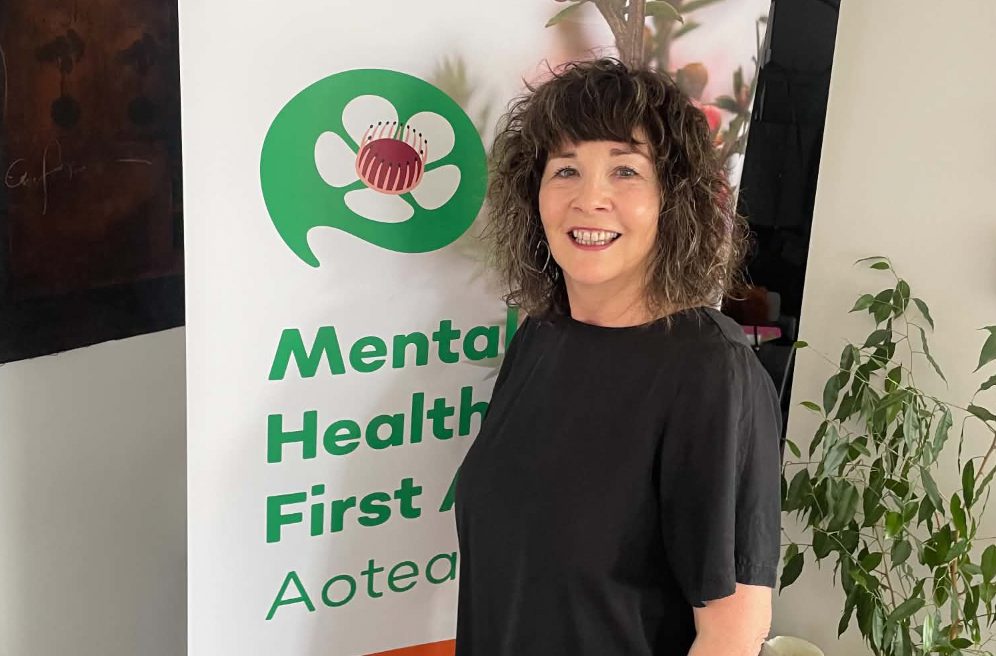
In this six-part series, Youth Mental Health First Aid facilitator Karyn Munro shares what almost 30 years of working with young people has taught her about noticing distress, starting supportive conversations and building a wider circle of trusted adults around rangatahi. The series leads into Path Wānaka’s two-day Youth Mental Health First Aid course on 17 and 24 November 2026
What young people need adults to notice
Teenagers are supposed to change. They seek independence, test boundaries and begin working out who they are. But that does not mean every shift in behaviour should be dismissed as “just being a teenager”.
After almost 30 years working with young people, Karyn Munro believes adults need to stay alert to changes, whether in mood, friendships, attendance, performance or everyday behaviour. A difficult day may be just that; a pattern over time deserves gentle attention.
Young people today are navigating a different mix of pressures. Karyn points to the lasting impact of COVID, social media and lives that can be so scheduled that there is little room for free play. School itself can be cognitively, emotionally and physically exhausting. Together, these pressures can add to anxiety and distress.
One common misunderstanding is that teenagers need adults to step back. Their independence matters, so does adult availability. Adolescents need trusted adults around them: parents, whānau, coaches, teachers, employers and neighbours, because the person they choose to confide in may not be their parent.
What helps a young person open up? Trust. A genuine adult who listens without judgement, avoids jumping to conclusions and does not claim to know exactly how they feel.
Rather than launching into questions, Karyn suggests naming what you have noticed and asking permission: “Hey, I’ve noticed some changes. Is it okay if I check in with you?”
They may not talk immediately. Check in again. Often, Karyn says, young people feel relieved that someone has noticed they are not doing well.
Adults do not need to become counsellors. Their role is to notice, listen and help connect the young person with appropriate support. When there are safety concerns or a crisis, professional help must be involved.
As Karyn puts it, adults have two choices: do something or do nothing, and doing nothing is not an option.
Karyn will facilitate Path Wānaka’s two-day Youth Mental Health First Aid course on 17 and 24 November 2026. Find out more and register here.