
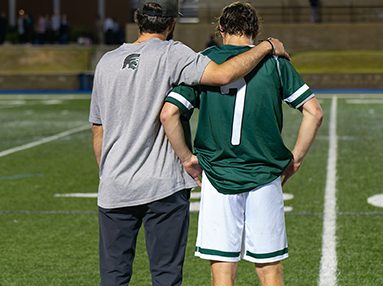
A sports field, clubroom, Scout hall or camp can reveal sides of a young person that adults at home or school may not see.
Coaches, managers, instructors and youth-group volunteers are often present when rangatahi face disappointment, conflict, injury or pressure. They may notice a usually enthusiastic young person becoming withdrawn, missing sessions, struggling to concentrate or reacting differently to teammates.
According to Youth Mental Health First Aid facilitator Karyn Munro, any change is worth keeping on your radar. It may have a simple explanation, but when a change continues over time, it deserves attention.
Peers can also play an important role. A teammate or group member may raise a concern with a trusted leader that they are not ready to share with a parent. This places coaches and volunteers in a valuable position not to diagnose or counsel, but to notice, listen and help.
The first conversation should be private, respectful and guided by the relationship you already have. Avoid approaching a young person in front of the team or group. Karyn suggests asking permission: “Is it okay if I check in with you? Is now a good time?”
If they do not want to talk, let them know you care and ask whether there is another adult they would feel comfortable speaking with. Calmness, consistency and a non-judgemental response can help a young person feel safe.
Where appropriate, a coach or leader might also check in with a parent: “We’ve noticed a change. How are they going?” They do not need to repeat every detail of a conversation to put a concern on someone’s radar. However, if a young person discloses something serious or there is a safety concern, it must be passed to someone equipped to respond.
Every club and youth organisation should have clear procedures, so volunteers know who to contact and what to do after a disclosure.
You do not have to be a mental-health professional to make a difference. You simply need the training and confidence to notice, approach and take the next appropriate step.
Karyn will facilitate Path Wānaka’s two-day Youth Mental Health First Aid course on 17 and 24 November 2026. Find out more and register.